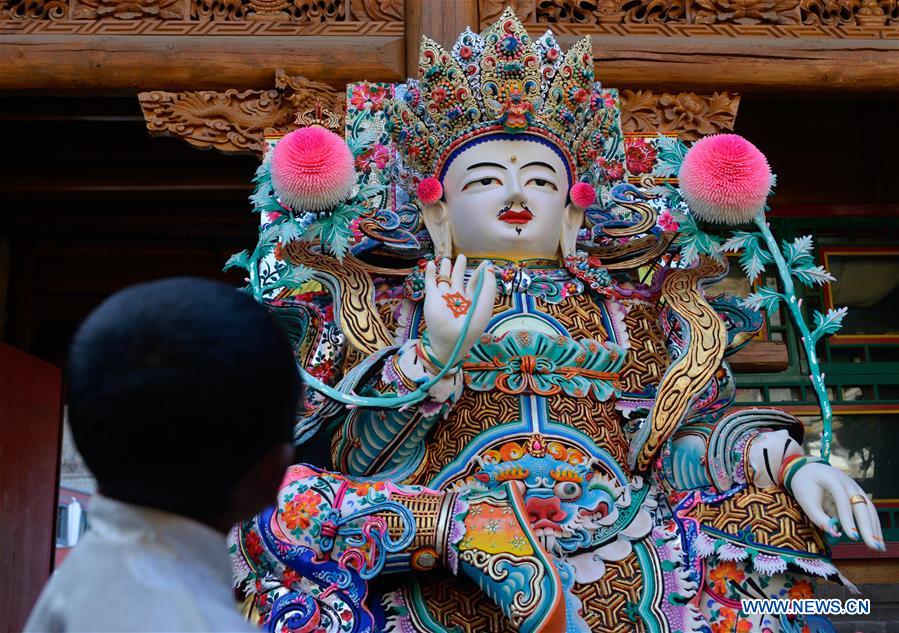
Butter Sculpture
Introduction
Butter sculpture is a unique and intricate art form that has its roots in Tibetan culture, specifically at the Kumbum Monastery, also known as Ta'er Monastery, in Qinghai. Recognized as a significant cultural heritage, butter sculpture was included in the first group of national intangible heritages in 2006. This art form evolved significantly with the spread of Buddhism, showcasing advancements in style, patterns, content and techniques.
Historical Background and Cultural Significance
The practice of butter sculpting is deeply enshrined in Tibetan religious and cultural traditions. It involves creating intricate sculptures from butter, often used as offerings in religious ceremonies. The use of butter, a staple in the Tibetan diet, is symbolic, representing purity and the ephemeral nature of life. The art form is most commonly associated with the Gutor Festival, which precedes the Tibetan New Year, but it is also present in other religious festivities and rituals.
The art of butter sculpting is more than just an artistic endeavor; it is a spiritual practice that underscores the Buddhist teachings of impermanence. The sculptures, despite their elaborate detail and vibrant colors, are temporary and will eventually melt or perish. This impermanence is a crucial teaching in Buddhism, reminding practitioners of the transient nature of the material world.
Techniques and Materials
Creating a butter sculpture is an elaborate process that requires precision and skill. First, artisans add mineral pigments into the butter to create a spectrum of colors: red from agate, green from jade, white from pearls, yellow from gold, blue from malachite and black from charcoal. This colored butter is then shaped into figures depicting religious icons, deities, animals and scenes from Buddhist mythology.
Before the sculpting begins, the pattern and content must receive approval from the monastery's abbot. This step ensures that the sculptures align with religious doctrines and traditions. Once approved, artisans work meticulously, often in cold environments to prevent the butter from melting, to bring the designs to life. The end result is a vivid display of religious art that retains the natural fragrance of butter.
Modern-Day Practice and Recognition
Butter sculpture continues to thrive as a vibrant expression of Tibetan culture, passed down from generation to generation. Artisans in regions like Shigatse, Xizang, are renowned for their skills, and the practice remains a vital part of community identity and spiritual life.
The inclusion of butter sculpture on the national intangible cultural heritage list highlights its importance and the need for its preservation. This recognition helps ensure that despite modern influences and changes, the traditional techniques and cultural significance of butter sculpture are maintained.
Educational and Cultural Exchange
Butter sculpture has also become a medium for educational and cultural exchange. Exhibitions and workshops are occasionally held, allowing people outside the Tibetan regions to appreciate and learn about this unique art form. These events contribute to a broader understanding and appreciation of Tibetan culture and its artistic expressions.








